Why follow
this man
into something hard?
Not because he's motivating. Not because he has a method.
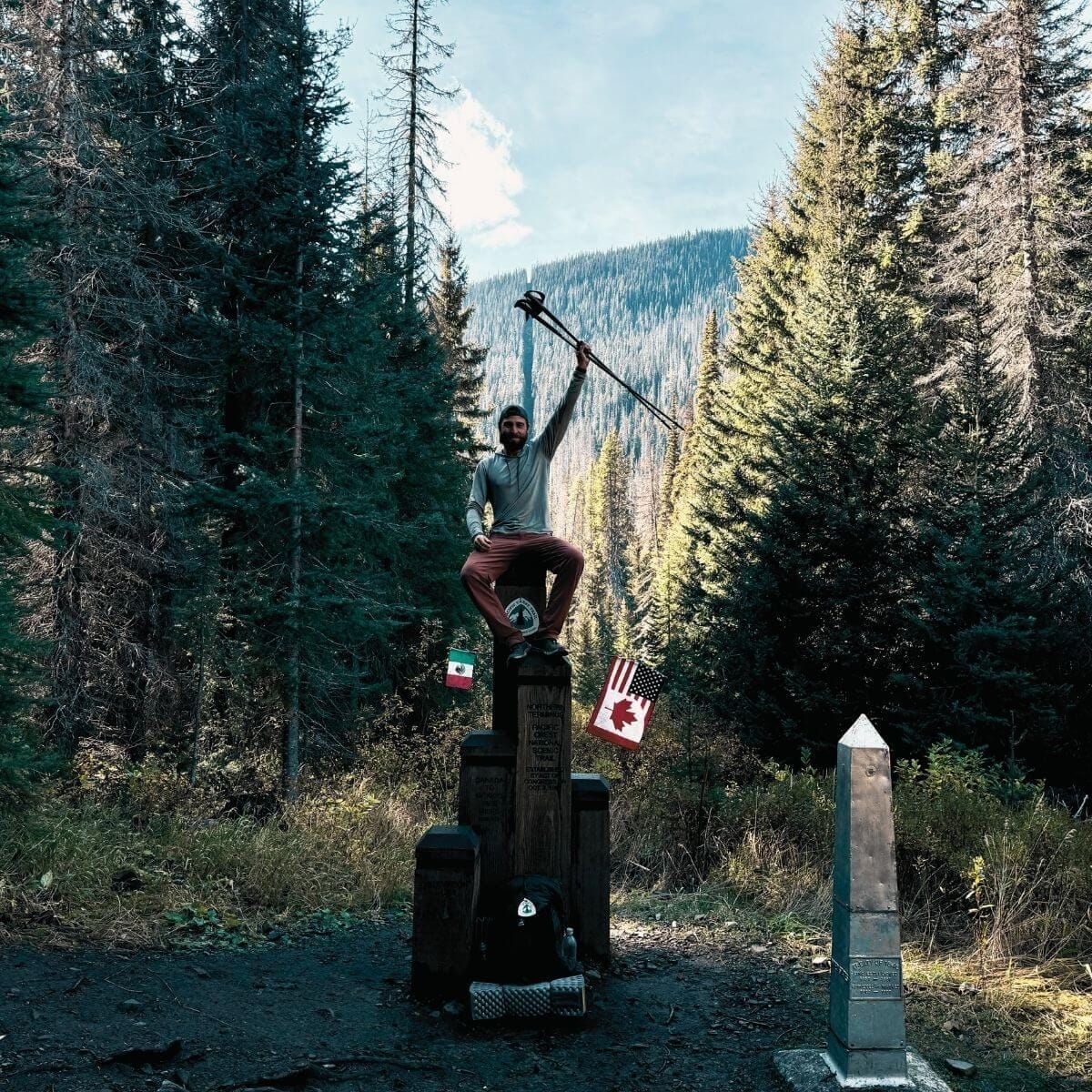
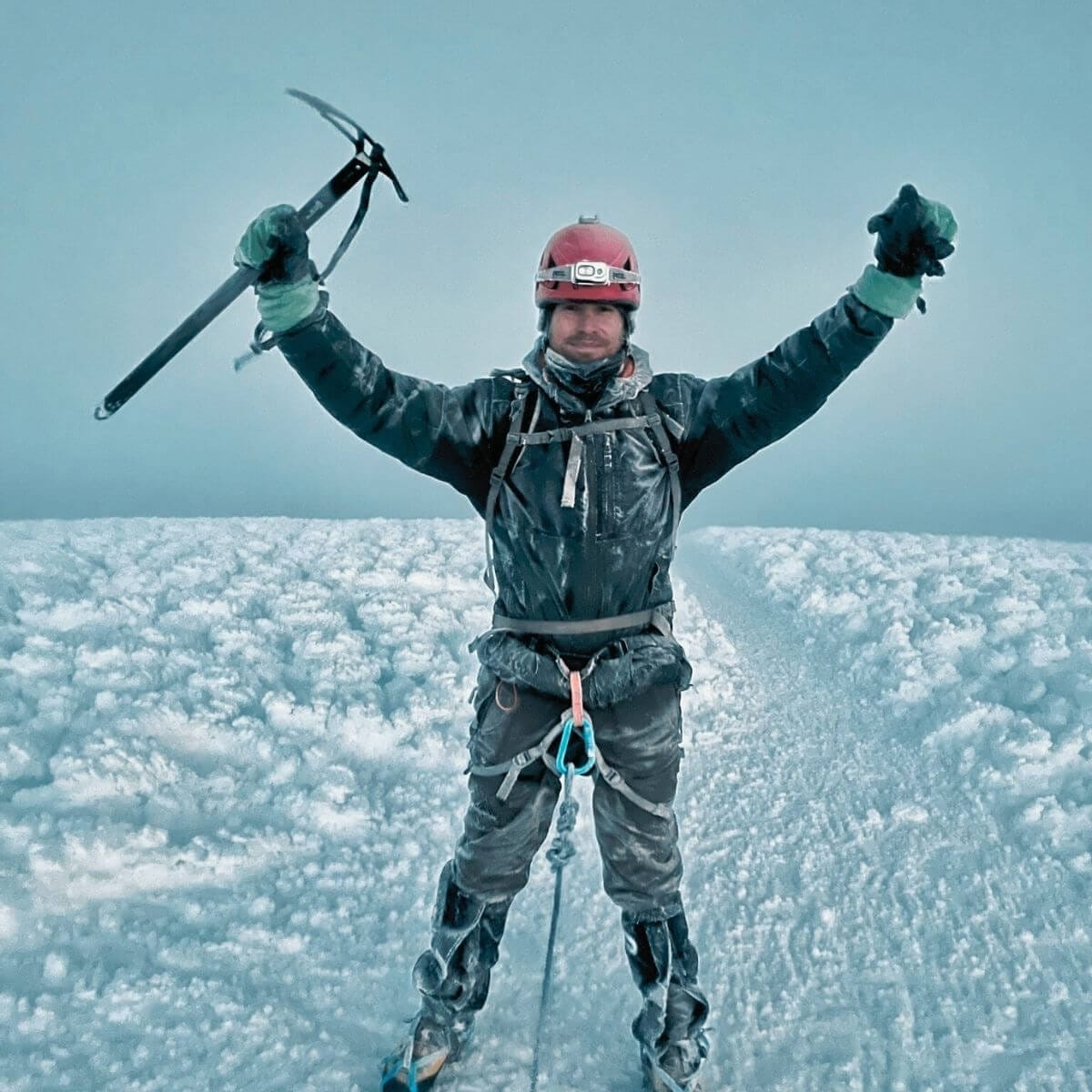
Because he has actually been there. Alone. Without backup. With real consequences — and he came back with something most men never find.



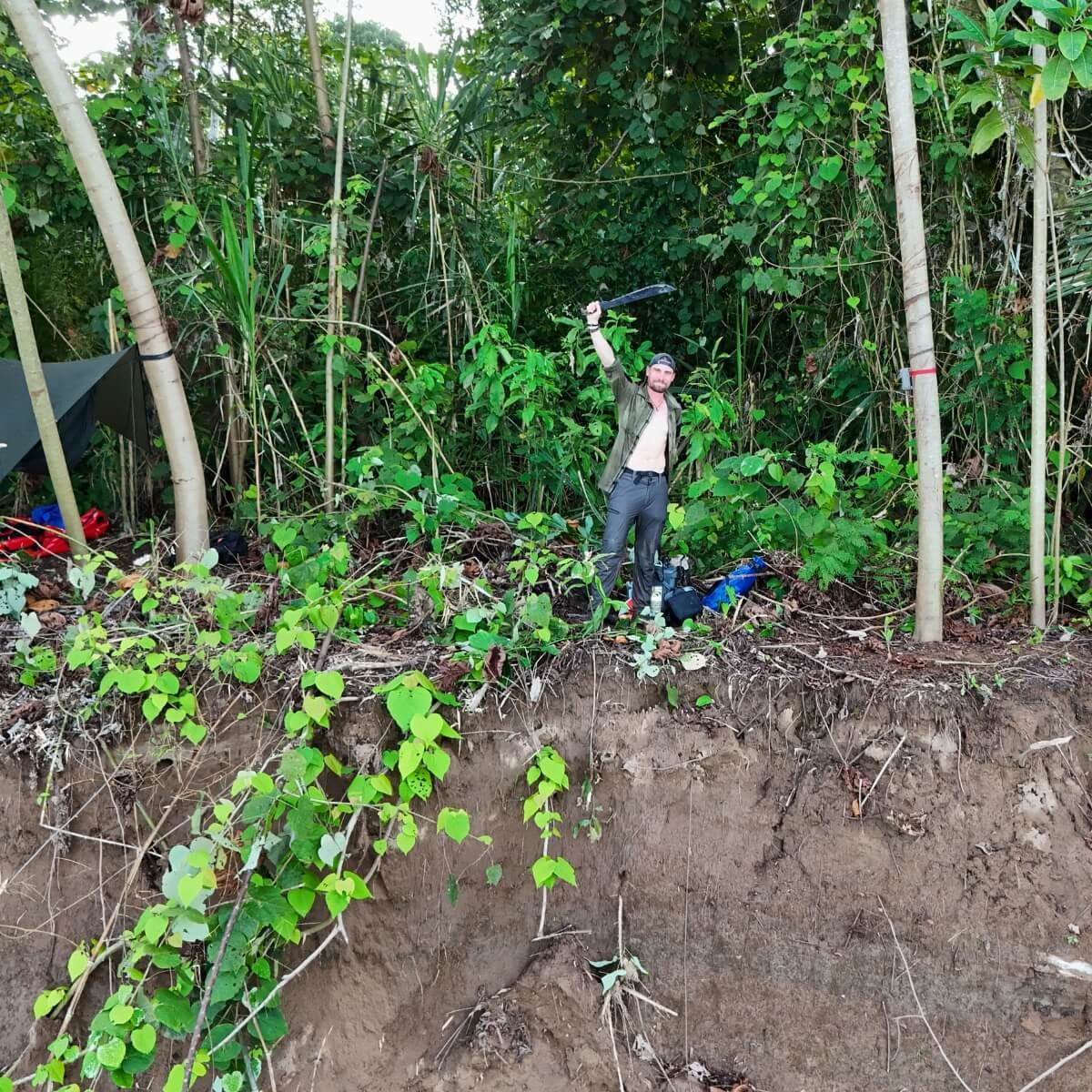
He was
built for
this.
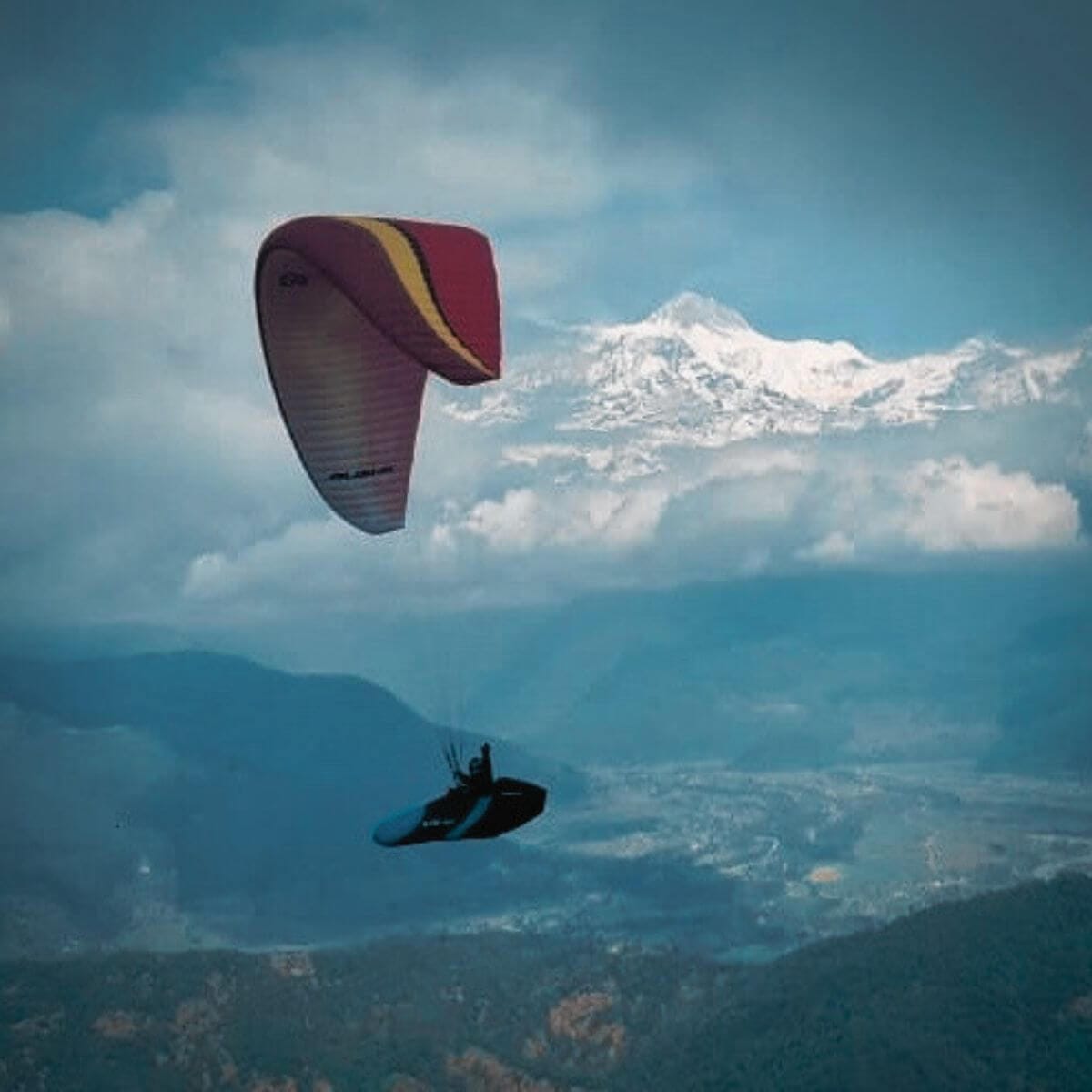
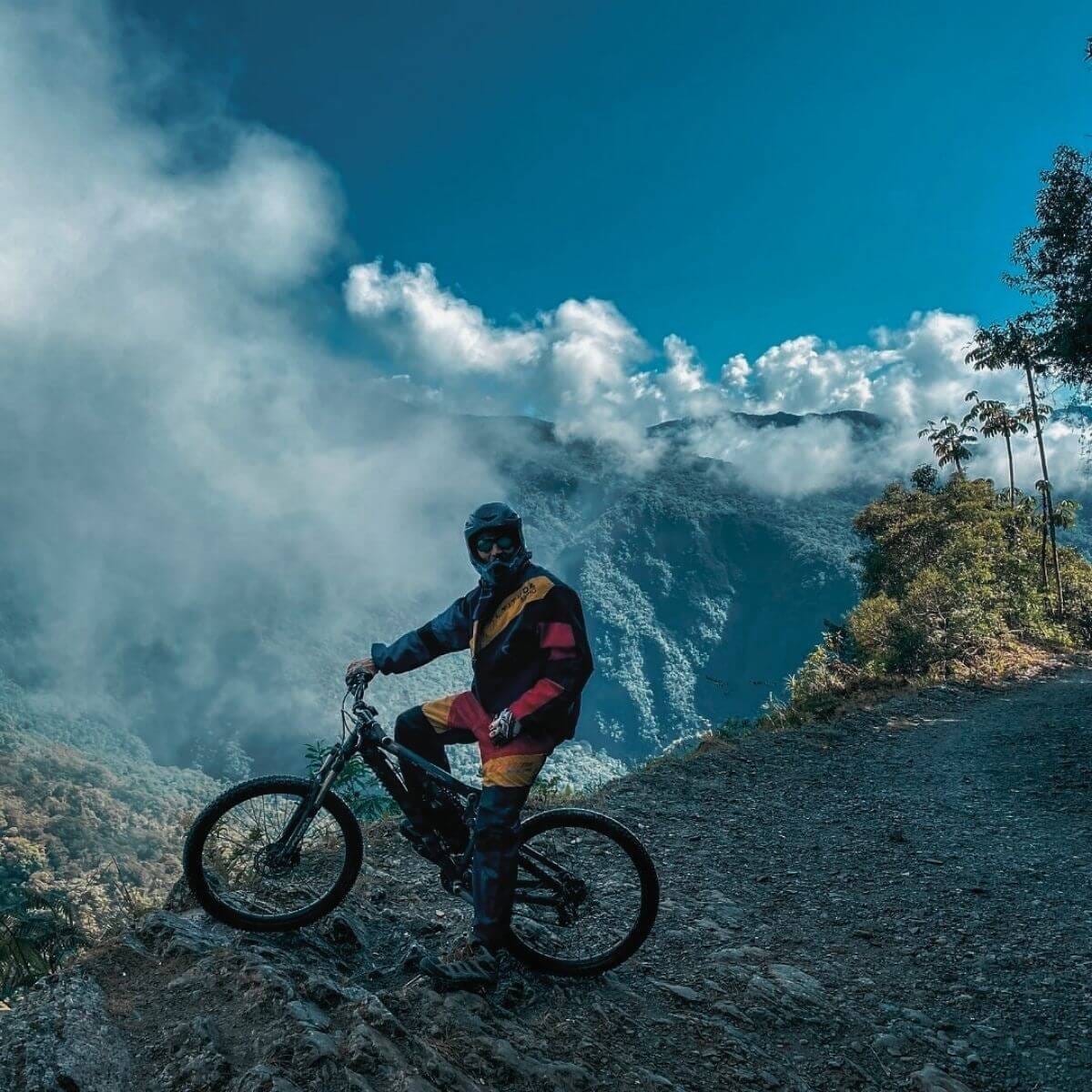
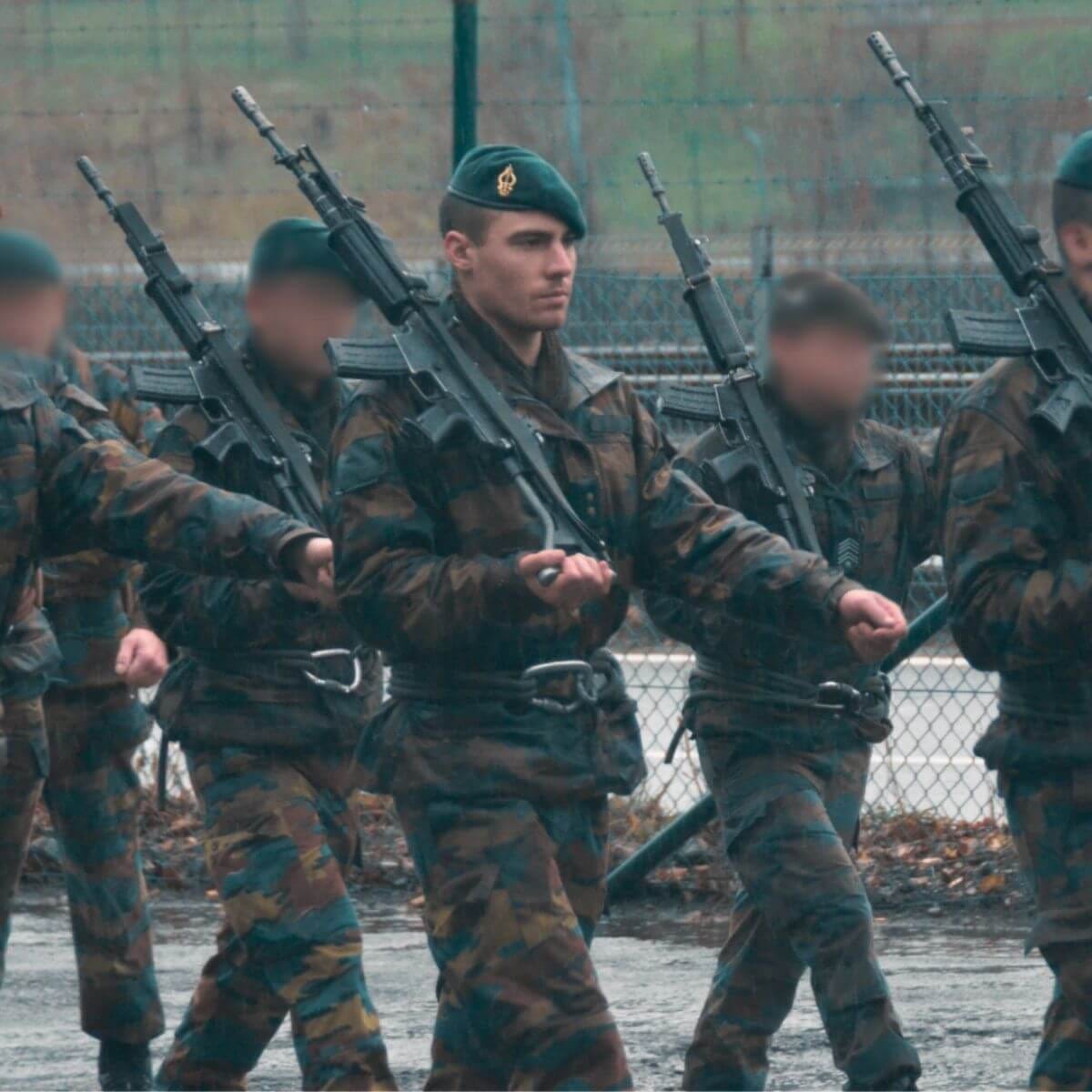
François grew up drawn to the edge — not as a personality trait, but as a compass. He joined the Belgian military at 18. He spent nearly in the army, eventually becoming a platoon commander in the commando paratroopers.
That's where he learned what he couldn't have learned anywhere else: what men are capable of when the environment demands it. Not through motivation. Not through coaching. Through genuine pressure, shared hardship, and the kind of trust that only forms when something is actually at stake.
When he left the military, he missed two thing more than anything else. Not the structure. Not the rank. The clarity. The feeling of being completely present because you had no other option. The bond between men who had faced something real together.
"In the field, there's no performance. You find out who you are — and so does everyone around you. That kind of knowing is permanent."
He spent the next decade searching for that again — and when he couldn't find it, he built it.
He has
actually
been there.
The difference between someone who designs hard experiences and someone who has lived them is not subtle. It changes everything: how you read terrain, how you read men, how you know when to push and when to hold.
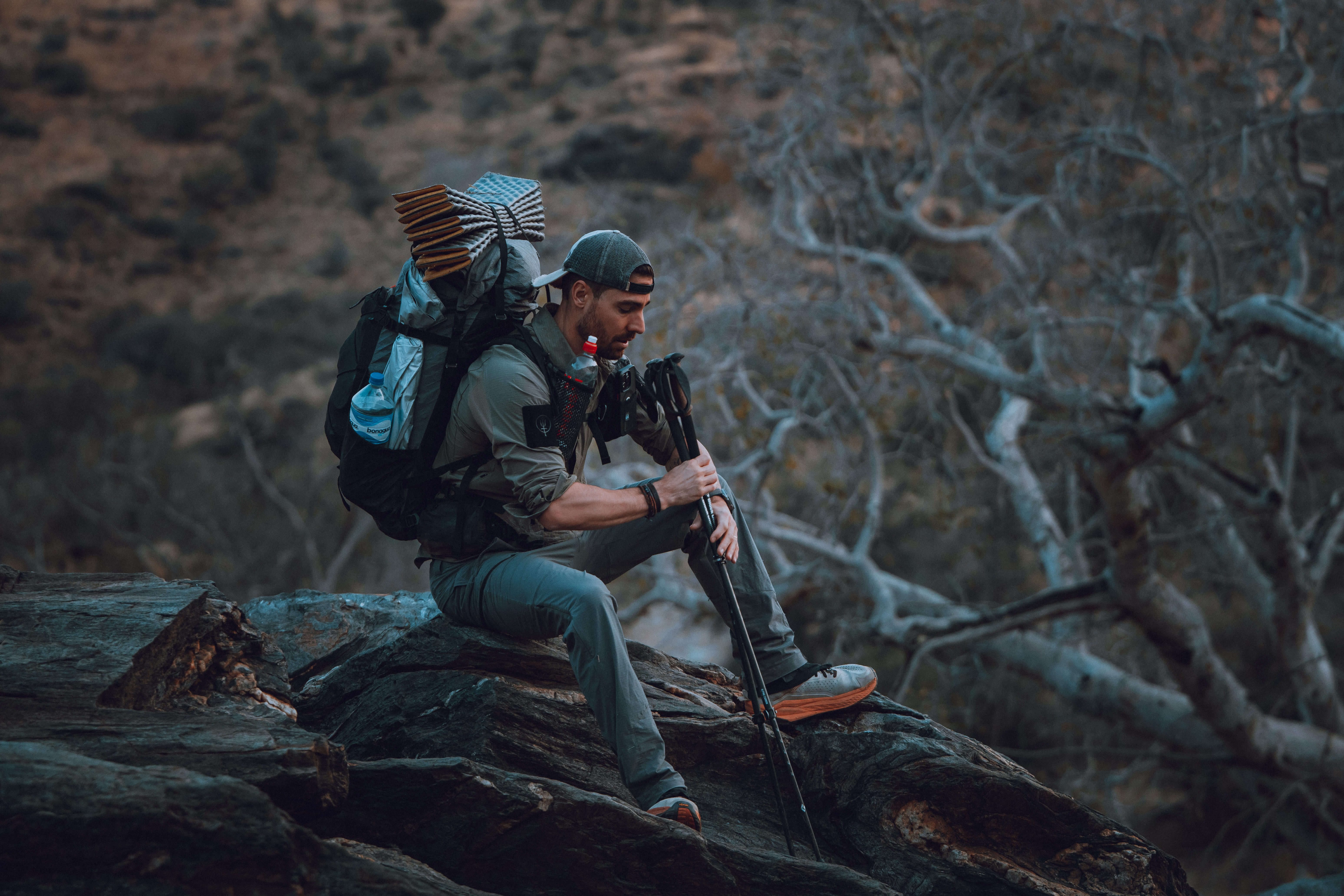
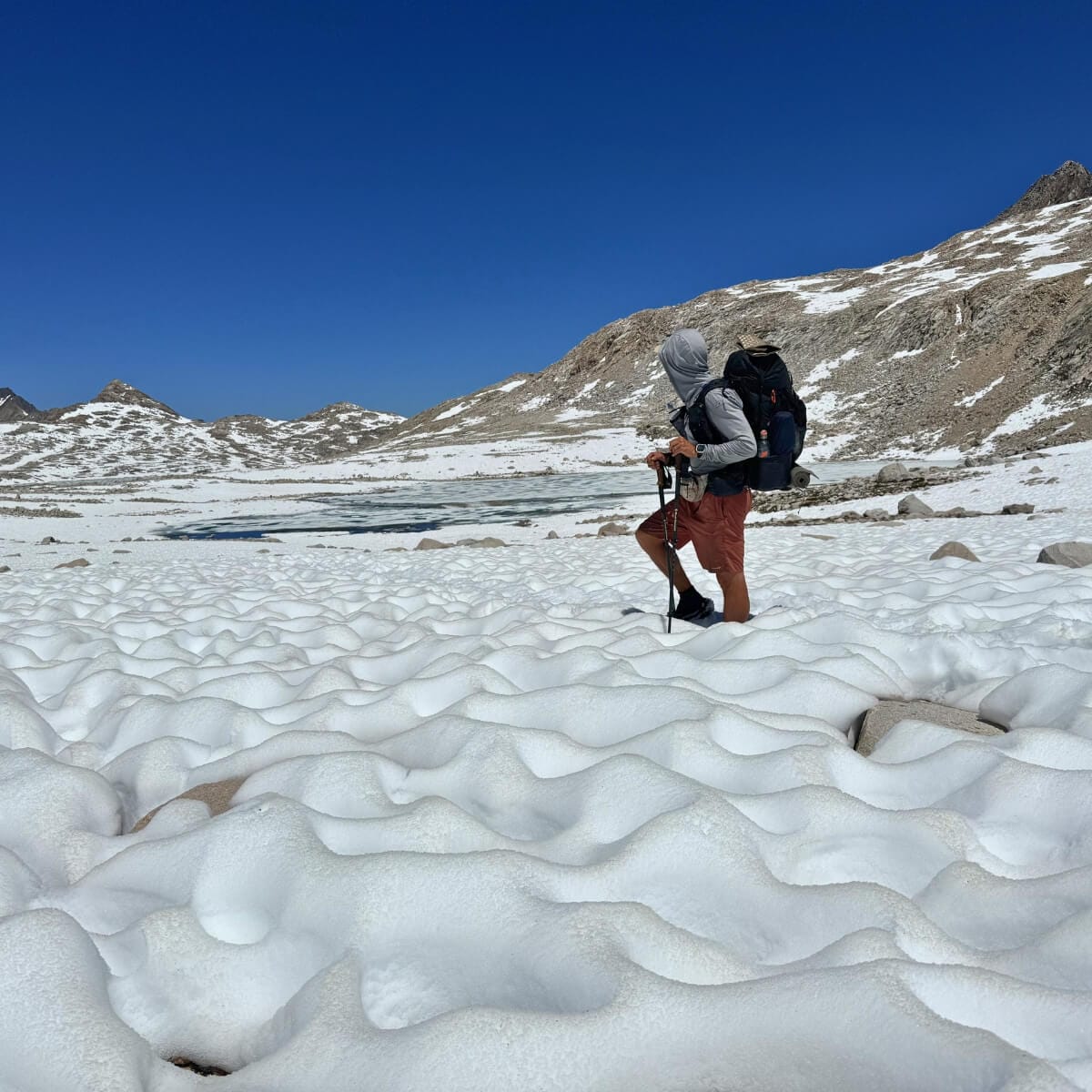
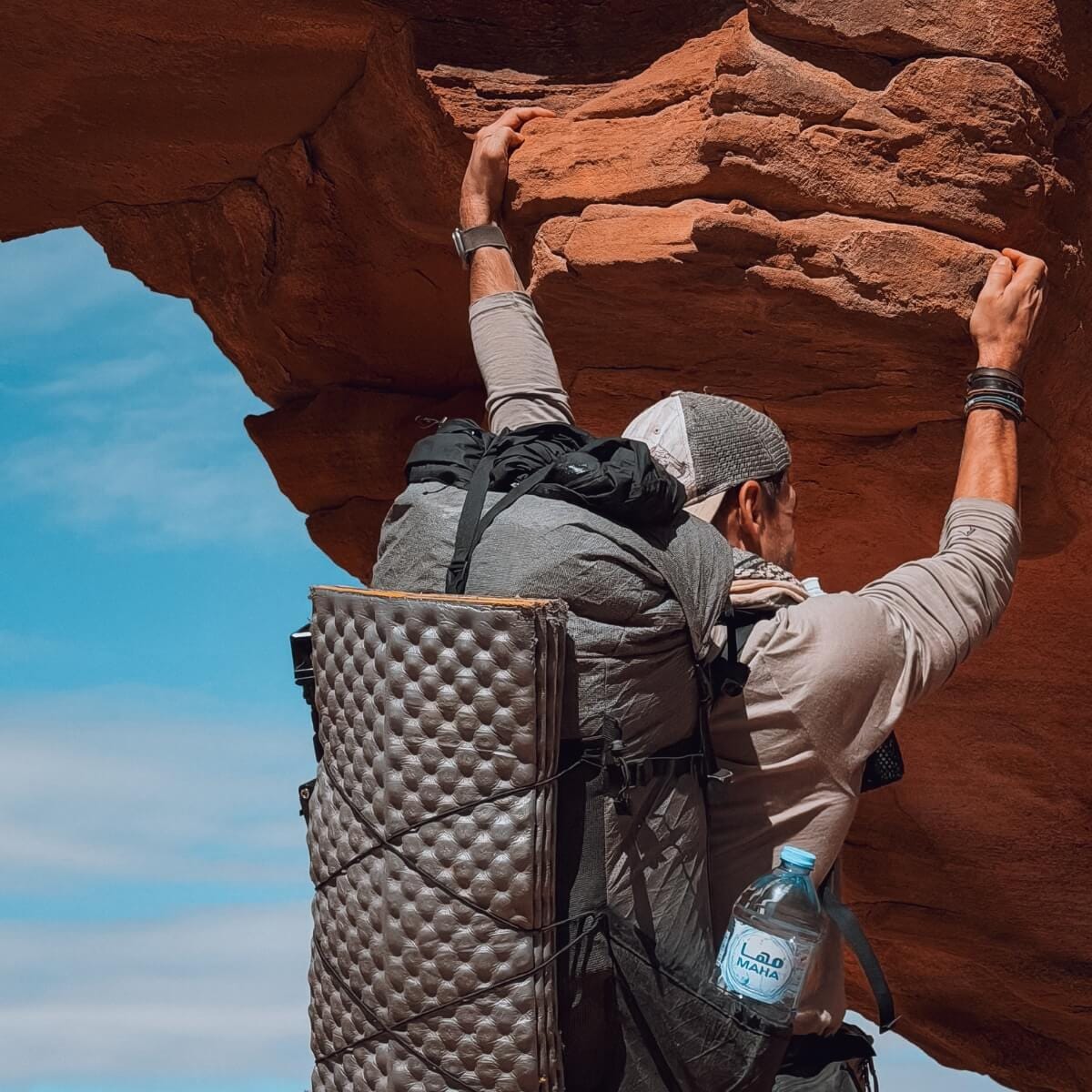
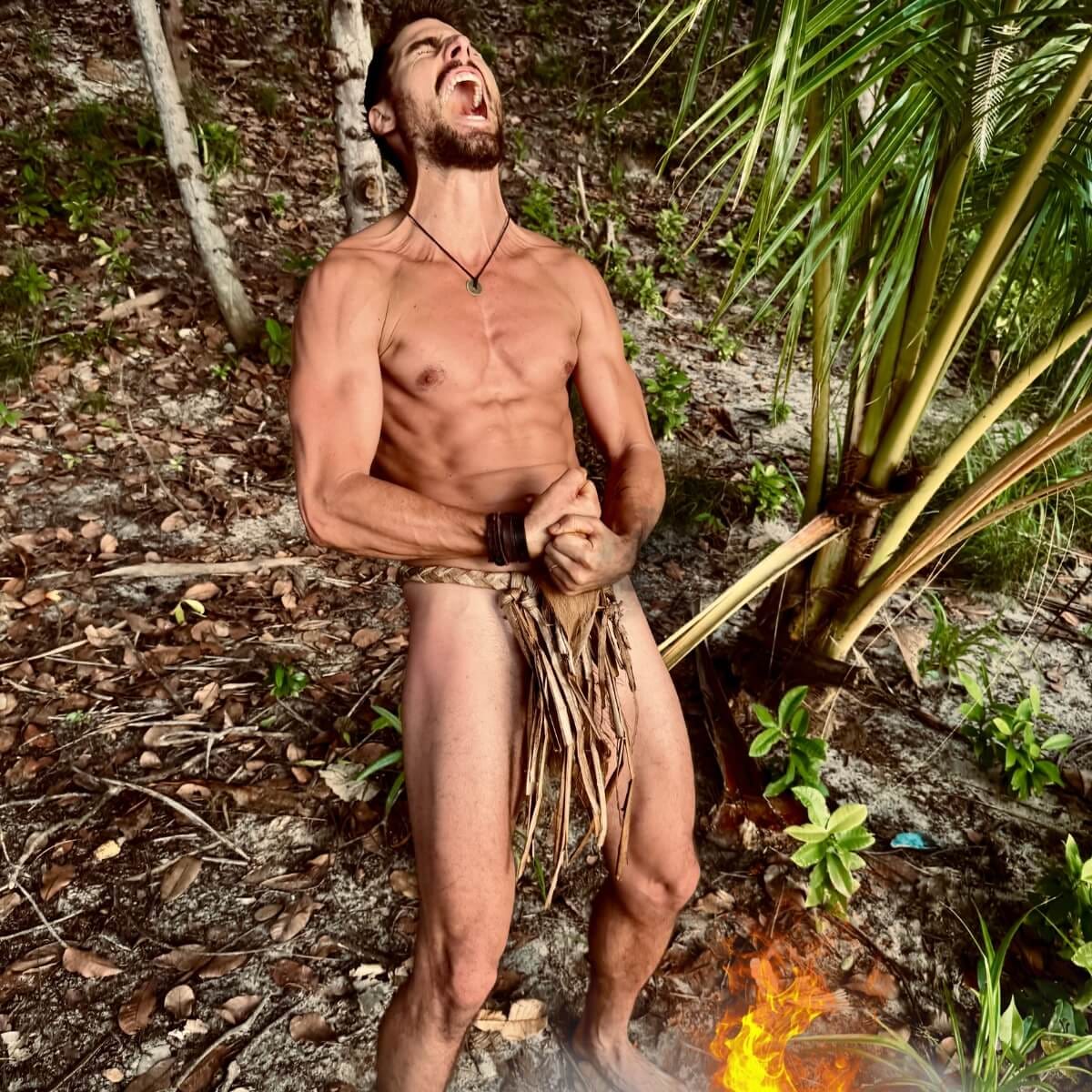
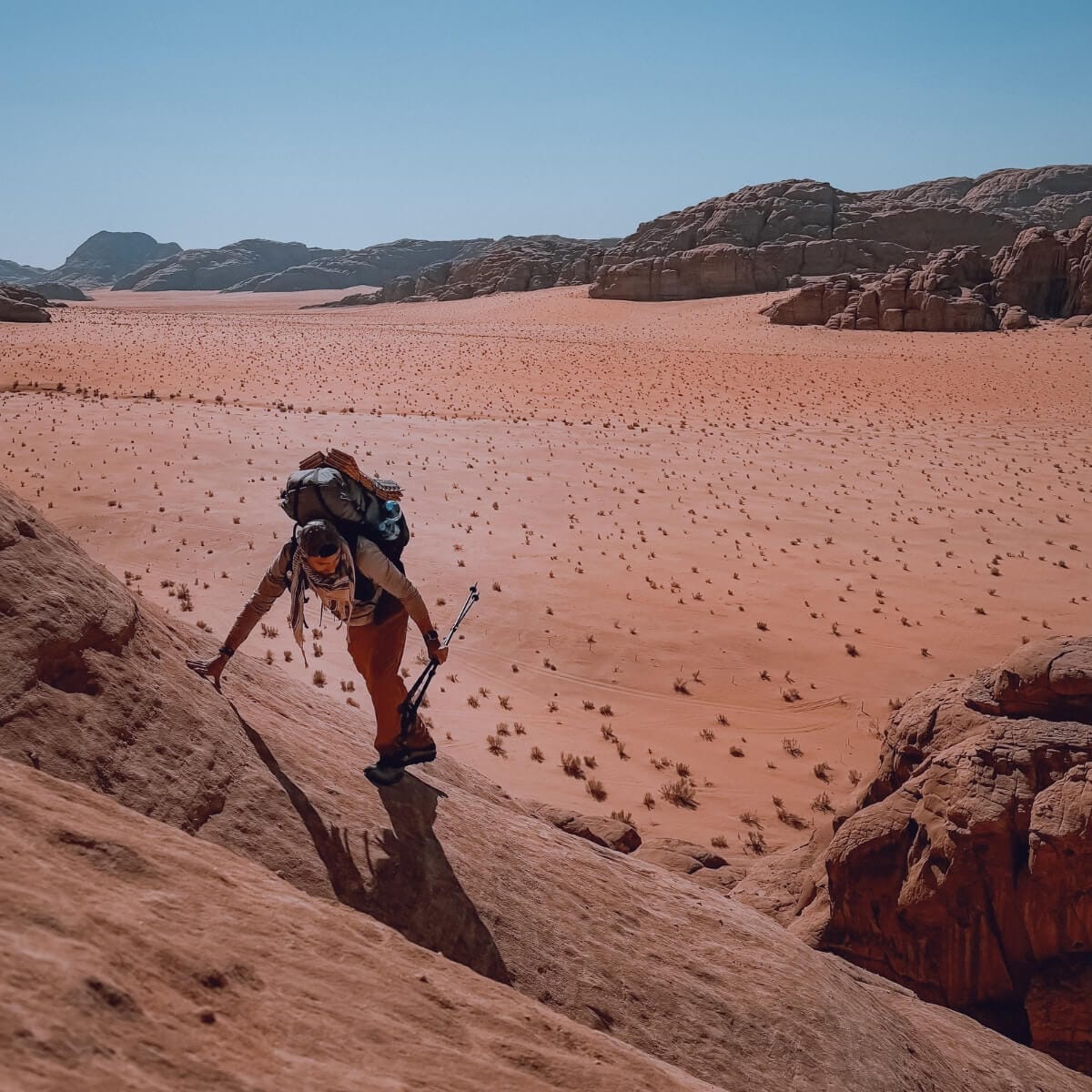
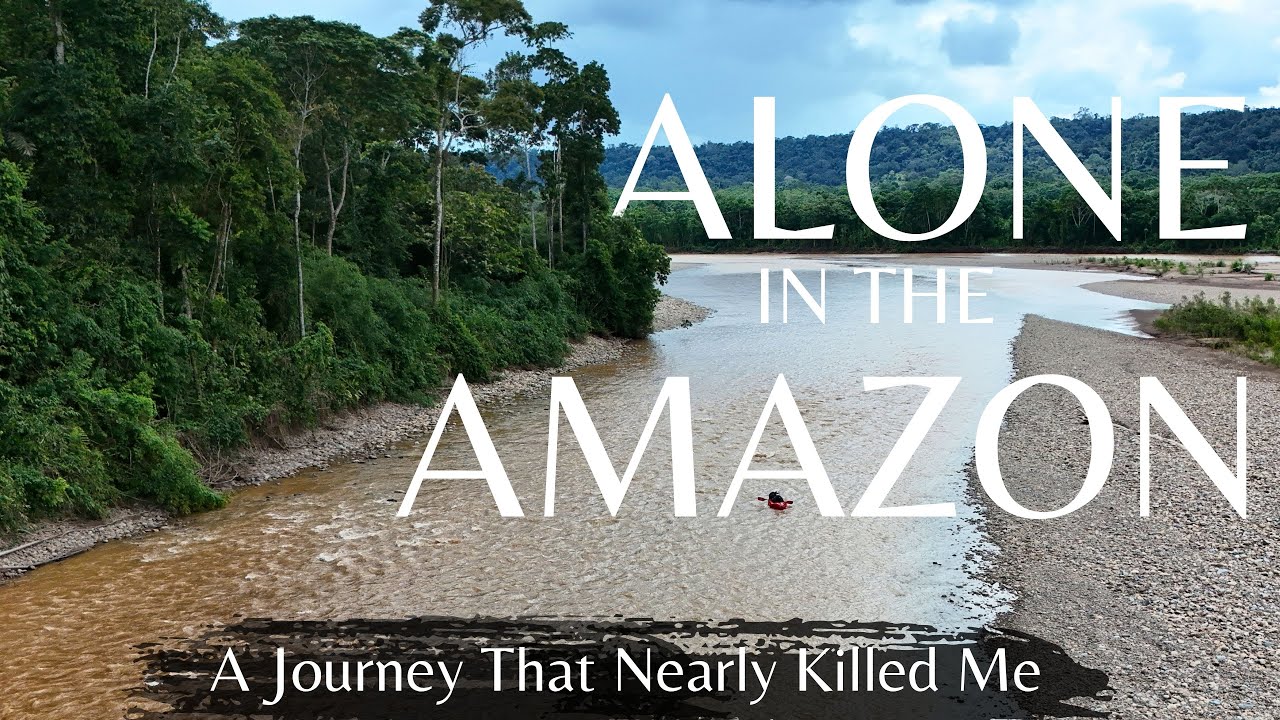
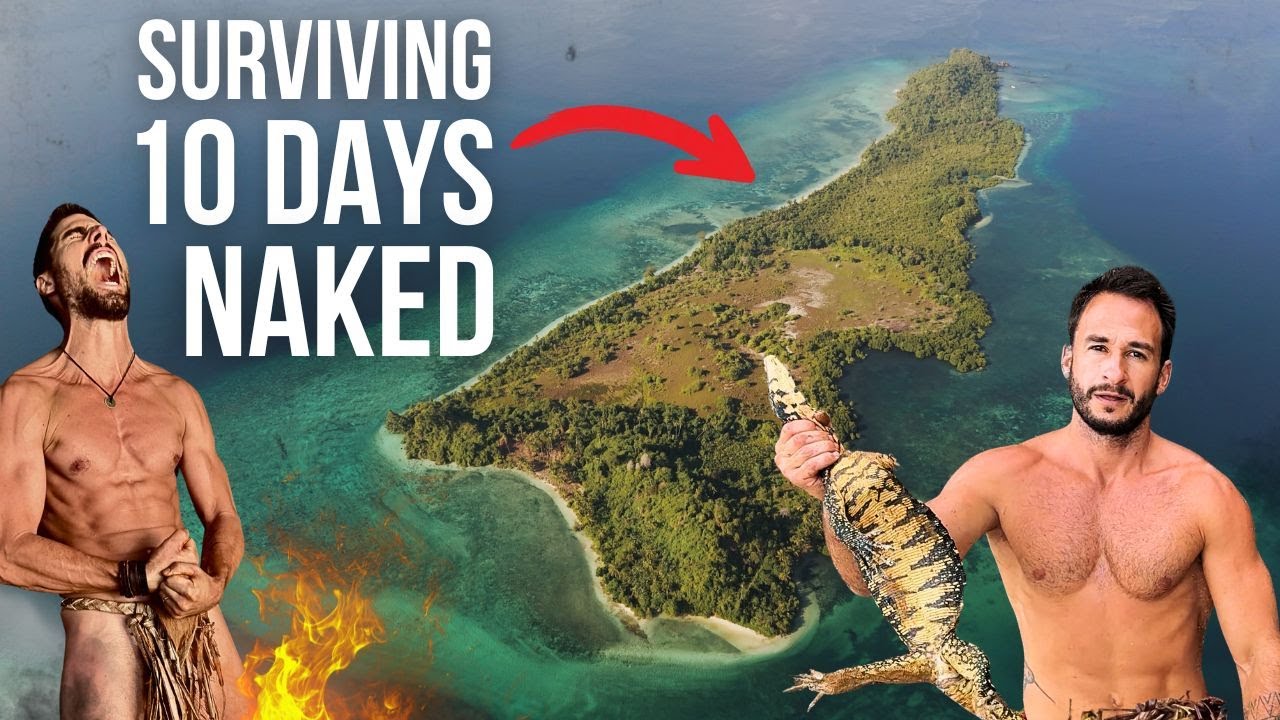
François has not studied wilderness. He has lived in it, alone, for extended periods, in environments that do not forgive mistakes.
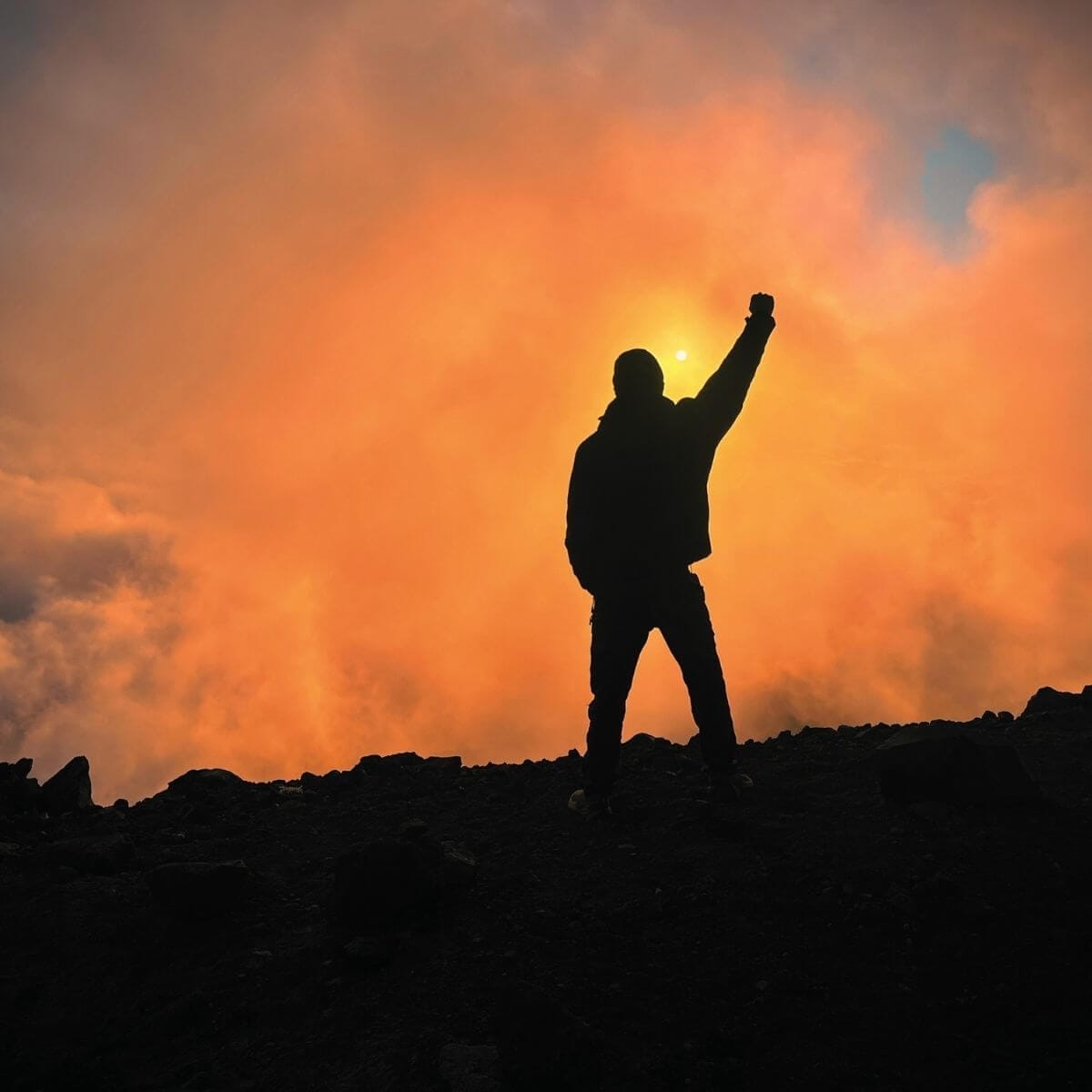
He has also stared at what happens to a man's thinking after days without noise, routine, or role. He has watched his own mind change. He knows what the other side of it feels like — and he has built Man Uncharted to give other men access to that same shift.

He leads
by building
the container.
There are men who will take you on an adventure. Guides. Instructors. Tour operators. They know the terrain and they will keep you moving.
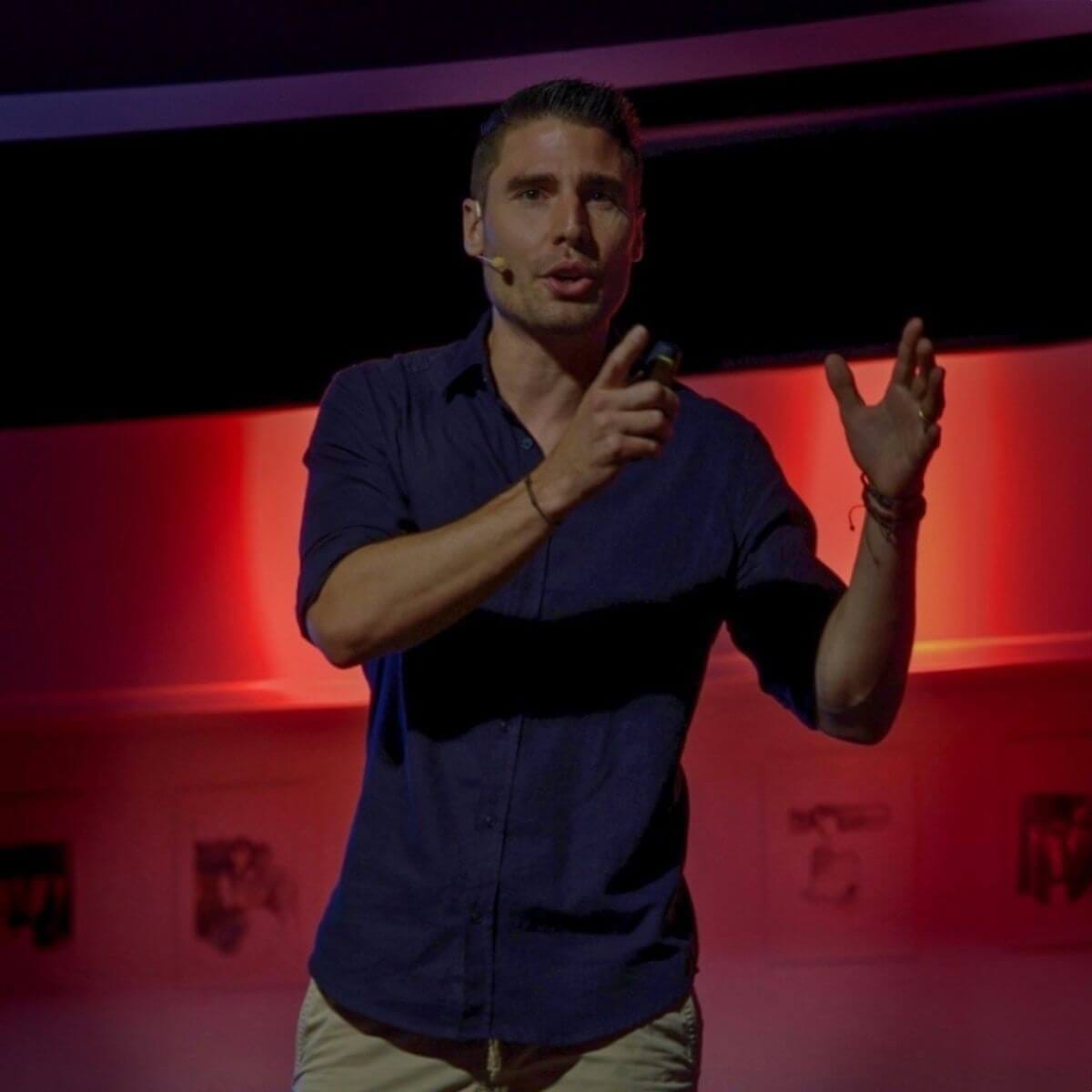
François is something different. A decade of military leadership taught him that the leader's job is not to perform, it is to architect the conditions in which other men discover what they're made of.
Every expedition is deliberately designed: the environment, the sequence of pressure, the moments of isolation, the shared fire. None of it is arbitrary. All of it has a reason — even when it doesn't look like it.
"I am not here to challenge you. I am here to build the environment where you challenge yourself."
He has also spent years studying what extreme environments do to human cognition, physiology, and identity — not as theory, but as someone who has observed it in himself and in others under real conditions. He holds Wilderness First Responder certification and has designed and led expeditions across four continents.
The men who come on these expeditions are not soft. They do not need to be broken down and rebuilt. They need a real test, delivered by someone who knows the difference between genuine difficulty and pointless suffering — and who has the experience to hold that line under pressure.
Three reasons men follow François
into genuinely hard things.
further than you.
men under pressure.
not improvises.
You've read enough.
Now do something with it.
The application takes 10 minutes. There's no commitment in applying. If there's fit, we talk.
Why follow
this man
into something hard?
Not because he's motivating. Not because he has a method.
Because he has actually been there. Alone. Without backup. With real consequences — and he came back with something most men never find.
He was built for this.
François grew up drawn to the edge — not as a personality trait, but as a compass. He joined the Belgian military at 18, eventually becoming a platoon commander in the commando paratroopers.
What men are capable of when the environment demands it — not through motivation, not through coaching, but through genuine pressure, shared hardship, and the kind of trust that only forms when something is actually at stake.
When he left the military, he missed two things: the clarity that comes from real pressure, and the bond between men who had faced something real together.
"In the field, there's no performance. You find out who you are — and so does everyone around you. That kind of knowing is permanent."
He spent the next decade searching for that again — and when he couldn't find it, he built it.

He has actually been there.
The difference between someone who designs hard experiences and someone who has lived them is not subtle. It changes everything: how you read terrain, how you read men, how you know when to push and when to hold.
François has not studied wilderness. He has lived in it, alone, for extended periods, in environments that do not forgive mistakes.
He has watched his own mind change. He knows what the other side of it feels like — and he has built Man Uncharted to give other men access to that same shift.


He leads by building the container.
There are men who will take you on an adventure. Guides. Instructors. Tour operators. They know the terrain and they will keep you moving.
François is something different. A decade of military leadership taught him that the leader's job is not to perform — it is to architect the conditions in which other men discover what they're made of.
Every expedition is deliberately designed: the environment, the sequence of pressure, the moments of isolation, the shared fire. None of it is arbitrary. All of it has a reason — even when it doesn't look like it.
"I am not here to challenge you. I am here to build the environment where you challenge yourself."
He has also spent years studying what extreme environments do to human cognition, physiology, and identity — not as theory, but as someone who has observed it in himself and in others under real conditions.
The men who come on these expeditions are not soft. They need a real test, delivered by someone who knows the difference between genuine difficulty and pointless suffering.

Three reasons men follow François
into genuinely hard things.
further than you.
men under pressure.
not improvises.
You've read enough.
Now do something with it.
The application takes 10 minutes. There's no commitment in applying. If there's fit, we talk.